
Helping Professionals Interview Series: Lindsay Troy, MSW, LCSW On Brainspotting, Intensives, and Anxiety Support Groups - Part 2!
At Compassionate Counseling St. Louis we know how important is it to support the whole family. This is one of the reasons why we love to connect with and stay connected with other helping professionals in St. Louis!
And today we are reconnecting you with Lindsay Troy, MSW, LCSW of The Empowerment Spot. You can check out Lindsay’s previous blog right here and you can read more below about what Lindsay has been up to lately!
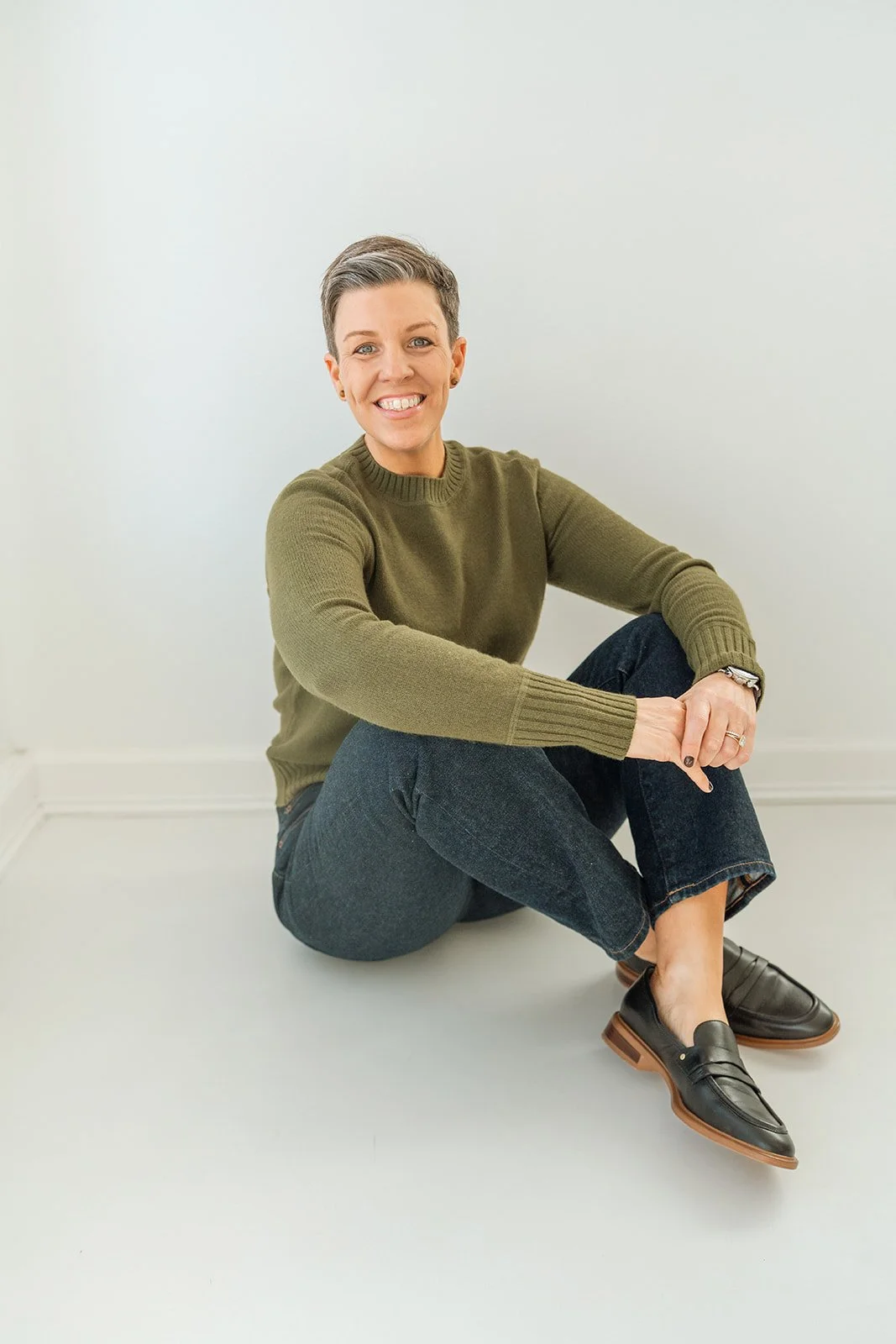
Lindsay Troy, MSW, LCSW
We are excited to learn more about what you’ve been up to since our last spotlight!
Thank you so much for inviting me to do a Part 2 interview. The last couple of years have flown by! Since we last spoke, a few things have changed—my last name, for one. My name is now Lindsay Troy. I am also licensed to practice in Connecticut and New York, in addition to Missouri. I continue to offer in-person sessions at my office in Town and Country and have expanded my telehealth services.
You are now offering brainspotting! Can you share a little bit about how brainspotting can help people who are struggling with anxiety and/or trauma?
Brainspotting is a newer therapeutic approach that I love incorporating into my work with clients. One thing I really appreciate about brainspotting is that it allows people to process thoughts, memories and, feelings held in the body and brain without needing to talk the entire time. For many people, this can feel less overwhelming and more accessible than traditional “talk-only” therapy.
Brainspotting brings awareness to how distress is experienced in the nervous system. Instead of staying only in your thoughts, you are invited to notice where anxiety, fear or overwhelm show up in your body—tightness in your chest, a knot in your stomach, a lump in your throat, or tension in your shoulders. Gently noticing and staying with these sensations can open the door for deeper healing.
In brainspotting, we use the relationship between client and therapist and identify a “brainspot,” which is a place where the eyes naturally land and hold a gaze. We then spend time sitting with what arises, using curiosity and non-judgmental awareness. From there, the brain and body gradually do the work of processing that they already know how to do. This happens within the safety of the therapy room and the therapeutic relationship, which helps the nervous system feel supported instead of alone in the process.
Brainspotting has been profoundly helpful in my own healing and growth. Having experienced its impact firsthand, I feel passionate about offering it to others as a way to work through anxiety, trauma, and other forms of emotional pain.
What would you like potential clients to know about brainspotting?
I would like people to know that brainspotting can be used on its own or alongside traditional talk therapy. It can be especially helpful if you feel like you have already talked, processed and journaled a lot, but still notice the physical weight of stress, anxiety, overwhelm, self-doubt or insecurity in your body.
Brainspotting offers another way in. It works more directly with the nervous system and areas of the brain that are not always reached through words alone. Instead of trying to “think” your way out of anxiety or trauma, brainspotting helps your brain and body release and reorganize what has been stuck.
You also do not need to have perfect words, a clear story, or a specific memory to benefit.
We start with whatever feels most present—an emotion, a body sensation, or a recent situation that stirred something up—and move from there in a paced, collaborative way.
Do you offer brainspotting intensives and, if so, what should clients expect from intensive sessions?
Yes, I do offer brainspotting intensives. I know the word “intensive” can sound a little intimidating, but in this context, it simply means we set aside more time and space to focus on your process.
Intensives can be a good fit for people who feel stuck in weekly therapy and want a deeper, more focused experience, who are navigating a major life event, loss or trauma and want to address it more directly, or who have limited time and prefer to do concentrated work over a few days.
I typically offer intensives over two to three days, for about two to four hours each day.
Before scheduling, I start with a consultation to explore your goals, your history, and what feels realistic and supportive for your nervous system. Together we decide whether an intensive format makes sense and what structure would be the best fit.
Each intensive is individualized and highly personalized. Clients can expect a thorough check-in and grounding at the start of each block of time, clear explanations of what we are doing and why, brainspotting work that is paced and responsive to how they are feeling, and space to rest, reflect and integrate during and between sessions. We also talk about how to care for yourself after the intensive and, if helpful, how to continue with ongoing therapy. And yes, snacks are included.
The intention is not to “fix everything at once,” but to create a meaningful, focused space where you can go a bit deeper than is usually possible in a standard 50–60 minute session.
Can you tell us a little more about your anxiety support groups?
The Anxiety Support Group is meant to be very down-to-earth and approachable. It is a small, supportive group that meets once a month for 75 minutes. It is designed for people who sometimes feel alone in their anxiety and want a place to feel understood and supported.
The group is open, which means participants can attend as they feel the need rather than committing to a set multi-week series. This flexibility can be helpful for people who want to try something new but are unsure about long-term commitment or who have changing schedules.
Each group includes a mix of brief education about anxiety and the nervous system—for example, why anxiety feels the way it does in the body or how certain thought patterns can keep anxiety going—and space for members to share their experiences if they feel comfortable. There is also time for supportive discussion, where participants can offer and receive validation, encouragement, and practical ideas.
One of my favorite parts of facilitating this group is watching participants support each other. People often share coping strategies that have worked for them, offer gentle alternative perspectives, or simply say, “I feel that way too.” Knowing you are not the only one who thinks or feels a certain way can bring a lot of relief.
People are always welcome to participate at their own pace—some talk more; some listen more, and both are completely okay. My hope is that group members leave feeling a little less alone, a bit more informed, and more equipped with tools and perspectives they can bring into their daily lives.
How has your practice evolved, and who do you currently work with?
Over time, my practice has evolved to focus exclusively on adults. I currently work with adults in individual, couples, and family counseling. When I say “families,” this often includes adult children and their parents or siblings who want to improve their relationships, communication, or understanding of each other.
My passion lies in believing in people—often before they fully believe in themselves—and helping them reconnect with their own strengths, values, and capacity for growth. Whether I am using brainspotting, talk therapy, intensives or groups, my goal is to create a space where adults feel seen, supported and empowered as they move through anxiety, trauma, relational stress and life transitions with more self-compassion and confidence.
How can people learn more and contact you?
People are welcome to call or email me with any questions.
My email is lindsay@theempowermentspottherapy.com and my phone number is 314-936-6105.
You can also find more information on my website here and my instagram page here!
My office is located at 13422 Clayton Road, Suite 220, St. Louis, MO 63131 @ the corner of Clayton and Mason Road.
Curious to learn more about starting counseling? Wondering what would be a good fit for you and your family? Contact Compassionate Counseling St. Louis to set up a free 15-minute phone consult. We’ll talk about what’s going on and best next steps - and if we’re not the right fit, we’ll connect you with other wonderful St. Louis-based therapists, like Lindsay!
Curious to learn more about anxiety and anxiety-driven anger? Reach out to us at hello@compassionatecounselingstl.com. As child anxiety experts, we love working with kids, teens, college students and parents to help manage their anxiety, stress, and anger. Compassionate Counseling St. Louis is located in Clayton, MO and works with families throughout St. Louis City, St. Louis County, Ladue, University City, Town and Country, Webster Groves, Creve Couer, Kirkwood, Richmond Heights, and Brentwood. We also provide online therapy Missouri wide to teens and college students. You can set up your first free consult on this website, on our consultation page.